
Author: Jennifer Walleman
This article originally appeared in the Fall 2025 issue of the South Carolina CPA Report
When Zoe Davis, CPA, and Carol Hubbard, CPA, started a firm in 2010, they knew what they wanted: a niche practice with longevity.
“We didn’t want a tax season,” Davis said. “We wanted a sustainable, long-term practice for ourselves as well as anyone else we bring on.”
That meant taking a people-first approach and making decisions that defy norms like a completely remote firm, four-day workweeks and a cap at 40 hours per week.
“When I started the firm with Carol, I was like, ‘No. We aren’t working more than 40,’” Davis said. “It can lead to a lot of burnout. Sometimes, I think our industry didn’t do itself justice by having those sorts of norms in public accounting.”
Since then, Hubbard retired and Davis & Company CPAs now has a core team of eight full-time employees, including four CPAs. It also works with 4 to 12 outsourced professionals to manage fluctuations in client demand and ensure the team remains fully staffed at all times.
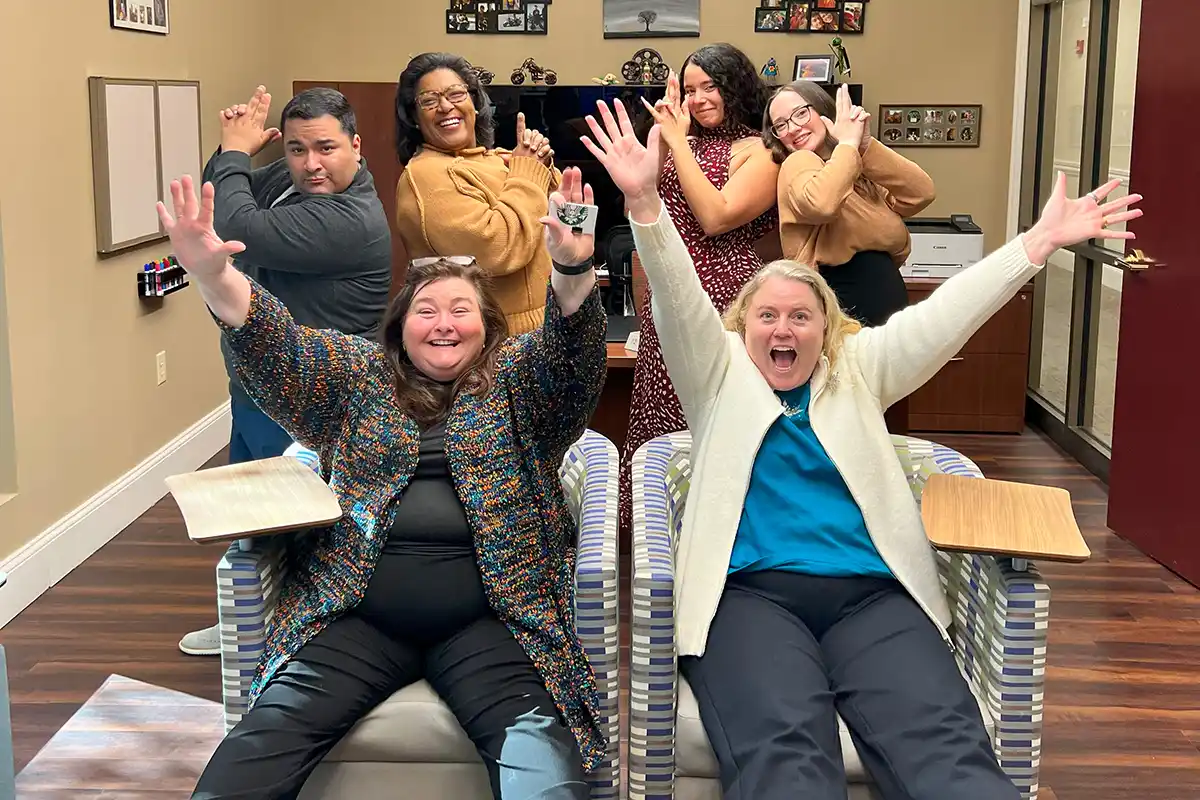
As a specialty boutique practice, Davis & Company CPAs provides assurance, information return preparation, and consulting services to niche industries, nonprofit organizations, employee benefit plans, and homeowner associations.
In 2018, Davis transitioned the firm to fully remote operations. She said the move was a natural next step because the technology had been in place for several years.
“I was like, why do we have this office space?” she said. “The types of clients we have don’t come to our office. We either go to their office or we do it virtually based on the type of work and clients.”
Already remote, when COVID-19 hit just two years later, the firm didn’t have many of the operational challenges others faced.
“We didn’t skip a beat,” Davis said.
Still, Davis recognized that remote work required a thoughtful approach to communication and culture. To maintain team cohesion in a virtual environment, Davis implemented intentional communication rhythms.
“I think one of the main things in working from your own home is that you can have a sense of loneliness,” she said. “We’ve built core rhythms and structures into our daily practice with each other, so people don’t feel alone as much as possible and do feel connected.”
The team meets on video calls four days a week. Mondays begin with a planning session, while Tuesday through Thursday includes 15-minute standups to share updates and troubleshoot blockers. A longer Thursday huddle allows team members to connect more personally, celebrate wins, and lead optional training or discussions.
“Fun is definitely woven throughout the whole week,” Davis said. “I think that gets translated into how they interact with the clients.”
The firm incorporates Microsoft Teams for daily video check-ins, chat, and collaboration. Tools like Asana, Suralink, DataSnipper, and Microsoft Co-Pilot help improve efficiency.
“The human element of trying to employ and utilize those tools is definitely a process,” Davis said. “We continue to try to build the structures in place that prompt the use of that technology.”
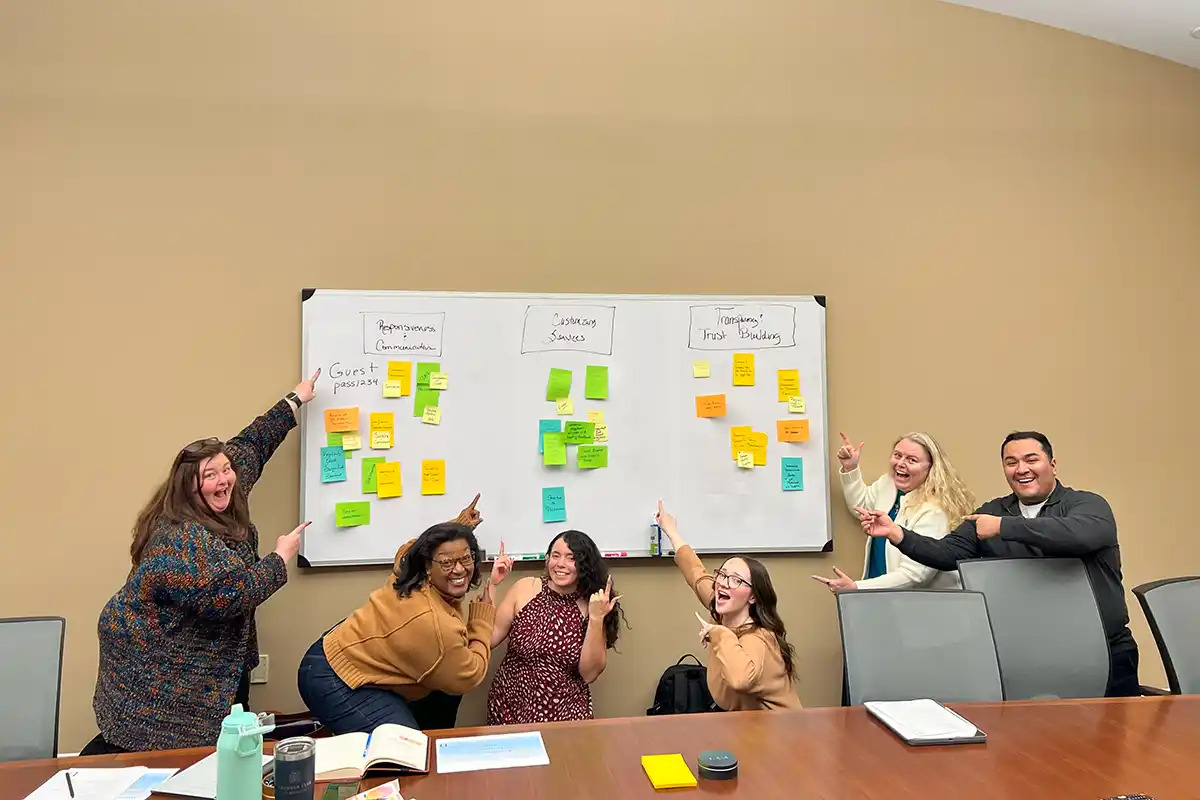
To support new hire onboarding, Davis & Company CPAs sends a welcome package before the hire’s first day, meets in person when possible, and assigns a buddy to help them navigate their first week. Now that the firm is virtual, Davis said hiring the right team members is crucial to its success.
“Having the right people at the firm is what makes our firm a great place to work and collaborate together on serving the clients’ needs,” she said. “We seek individuals who demonstrate the same core values of the firm, including accountability, integrity and fun.
In November 2023, Davis took her commitment to sustainable work a step further by shifting the firm to a four-day, 36-hour workweek.
“I think our profession has been known as ‘work them to death,’” she said. “They’ve got to work 80 hours a week and work a Saturday — it’s a badge of honor. I never thought it was. I thought it was crazy. We all worked really hard to go to school, learn what we learned, even pass the exam, which is not an easy thing to do. I just think it’s a mentality thing.”
The schedule gives team members Fridays off year-round, allowing for more personal time without sacrificing client service. Davis said the team comes back more refreshed on Monday and ready to get back to work.
“It’s made a big difference for them in their personal lives,” she said. “I’ve noticed the team is scheduling doctor’s appointments now on Fridays, instead of during the workweek if they can. They have this whole weekend and they seem quite happy with that.”
A healthy team culture doesn’t just benefit employees, it extends to client relationships.
While many touchpoints with clients happen virtually with recorded and transcribed video chats, the firm complies with industry standards and provides in-person services as needed, such as inventory observations. In some cases, planning meetings happen over lunch, offering a more relaxed, customized experience.
“That’s much more fun than going to sit in a boardroom all week,” Davis said. “It’s kind of based on what the client needs or wants.”
When it comes to client needs, Davis said clients typically care more about services than office location.
“They seek us out because they have a particular need,” she said. “When we went to not having an office space anymore, we didn’t exactly advertise that because our clients didn’t care. They didn’t come to our office anyway. What they cared about was can we do their job, can we do it when they needed it done and did we take care of them. That’s what they care about.”
For those firms considering remote operations, Davis advises being open to adapting to team needs through clear communication.
“One of the things I’ve learned over time is that your people are important and you need to find ways to connect with them,” she said. “Checking in with your people, making sure they are okay, making sure they have what they need, that they truly understand what they are trying to accomplish in their role and how they fit into it I think is vital.”